
The enduring conflict between Russia and Ukraine continues to dominate global headlines and geopolitical discourse as we move further into 2025. Far from a localized skirmish, the Russian Ukraine War has reshaped international relations, energy markets, and defense strategies across the globe. This comprehensive update aims to provide a clear, accessible overview for a general audience, dissecting the latest developments, examining the timeline of key events, and offering analysis on its trajectory and broader implications.
Introduction: The Enduring Conflict and What to Expect in 2025
As 2025 unfolds, the Russia Ukraine conflict news cycle remains relentless, reflecting a war that has settled into a protracted struggle. What began with Russia's full-scale invasion in February 2022 has evolved through various phases, marked by intense fighting, significant territorial shifts, and an unprecedented mobilization of international support for Ukraine. The year 2025 finds both sides entrenched, with strategic objectives largely unchanged, but tactics and global support continually adapting. For observers, understanding the nuances of this conflict is more crucial than ever.
A Look Back: Key Developments Leading into 2025
To comprehend the current state, a brief recap of the preceding years is essential.
Military Shifts and Strategic Goals
Following initial rapid Russian advances, Ukrainian resistance, bolstered by Western military aid, successfully pushed back Russian forces from Kyiv and parts of the north. Subsequent fighting concentrated heavily in the east (Donbas) and south (Kherson, Zaporizhzhia). Russia's stated goals often revolved around "demilitarization," "denazification," and protecting Russian speakers, while Ukraine has consistently fought for the restoration of its 1991 borders and sovereignty. The battle for strategic cities and supply lines remained a defining feature through 2023 and 2024.
International Sanctions and Economic Impact
The international community, led by the G7 nations, imposed sweeping sanctions on Russia, targeting its financial sector, energy exports, and key individuals. These measures aimed to cripple Russia's war economy and pressure Moscow to cease hostilities. While Russia has found ways to mitigate some of the impact, particularly through reorienting trade to non-Western partners, the long-term effects on its economy and global trade remain significant. Conversely, Europe faced its own economic challenges, especially concerning energy security, prompting rapid diversification efforts.
The Current State of the Russia-Ukraine War in 2025
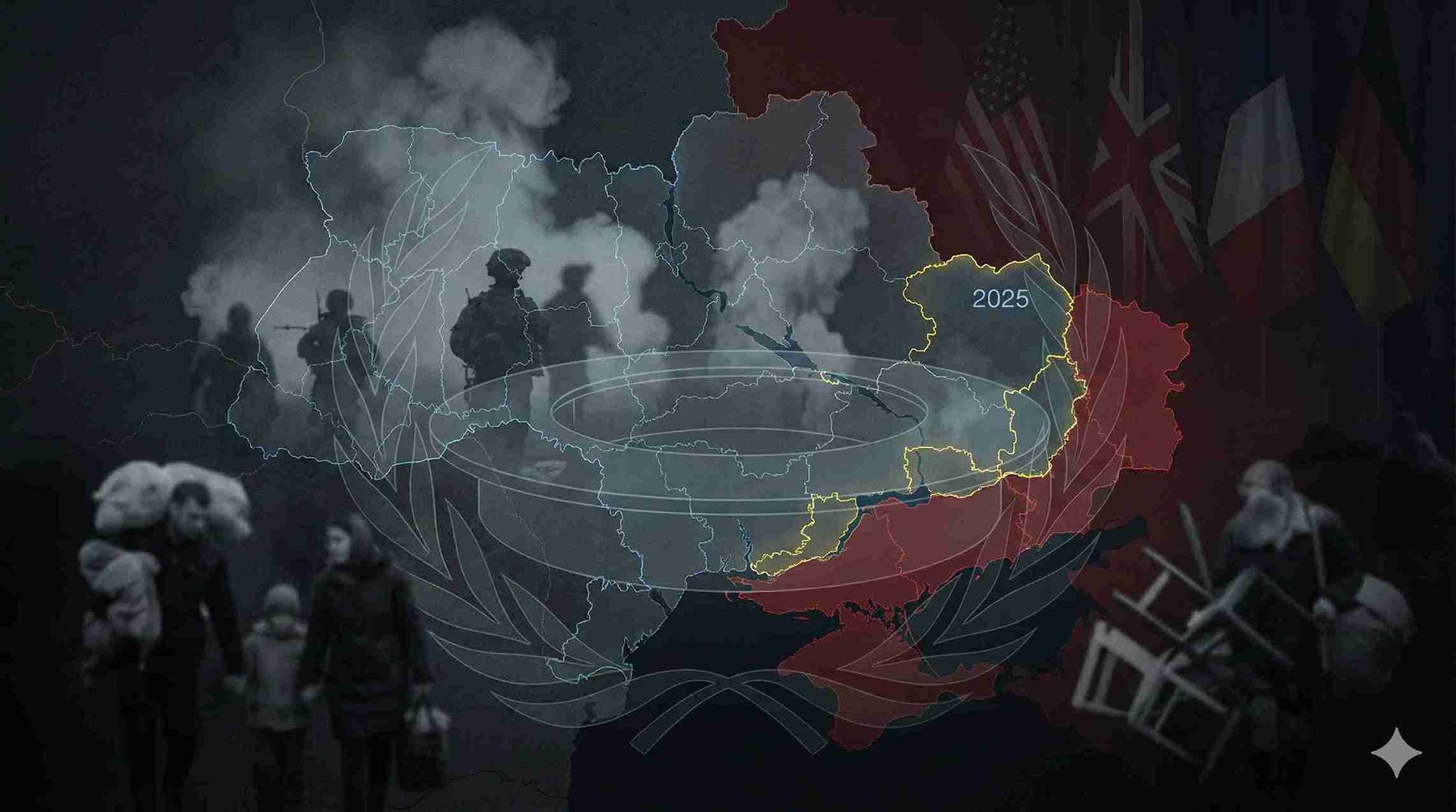
Entering 2025, the Russian Ukraine War continues its grinding pace, characterized by specific frontline dynamics and ongoing humanitarian challenges.
Frontline Dynamics and Key Battlegrounds
The front lines in eastern and southern Ukraine remain areas of intense combat. While major breakthroughs have become less frequent, localized offensives and counter-offensives are constant. Cities like Bakhmut, Avdiivka, and various points along the Zaporizhzhia front have become symbols of the protracted attrition. Drone warfare, sophisticated artillery duels, and trench warfare tactics dominate, with both sides seeking to gain incremental advantages or hold defensive lines. Control over critical infrastructure, such as power grids and transportation hubs, continues to be a primary military objective.
Humanitarian Crisis and Civilian Impact
The human cost of the conflict remains staggering. Millions of Ukrainians have been displaced internally or have sought refuge abroad. Cities and towns have been ravaged, and critical civilian infrastructure, including hospitals and schools, has been targeted. International organizations continue to provide vital humanitarian aid, but access to conflict zones is often restricted. The psychological toll on the population, particularly children, is immense and will have long-lasting consequences.
Russia Ukraine Peace Talks Progress: Hopes and Hurdles
The prospect of Russia Ukraine peace talks progress has been a recurring theme, yet substantive breakthroughs have proven elusive.
Diplomatic Initiatives and Potential Mediators
Numerous countries and organizations, including Turkey, the UN, China, and various European nations, have attempted to mediate or facilitate peace discussions. While some initial talks occurred in the early stages of the war, they quickly stalled. Proposals for ceasefires, prisoner exchanges, and humanitarian corridors have seen limited success. The international community largely agrees that a negotiated settlement is the ultimate path to peace, but the conditions for such talks are highly contentious.
Stumbling Blocks to a Lasting Resolution
The primary obstacles to peace remain deep and fundamental. Ukraine insists on the full restoration of its territorial integrity within its 1991 borders, including Crimea and the Donbas regions. Russia, conversely, demands recognition of its annexed territories and specific security guarantees regarding NATO. Trust between the belligerents is virtually non-existent, and the domestic political landscapes in both countries make significant concessions extremely difficult. Without a willingness from both sides to compromise on core demands, or a decisive shift in military realities, a lasting resolution through diplomacy appears distant.
NATO and Russia Ukraine War Involvement: Shifting Alliances
The role of NATO and Russia Ukraine war involvement is a critical aspect of the broader geopolitical landscape shaped by the conflict.
NATO's Role: Support, Deterrence, and Expansion
NATO, while not directly involved in combat operations in Ukraine, has played a pivotal role in supporting Kyiv's defense efforts. This support includes extensive military aid (weapons, ammunition, training), financial assistance, and intelligence sharing. Concurrently, NATO has significantly strengthened its eastern flank, deploying additional troops and equipment to member states bordering Russia and Ukraine, serving as a deterrent against further Russian aggression. The conflict has also prompted a re-evaluation of neutrality among some European nations, leading to Finland and Sweden joining NATO, marking a significant expansion of the alliance.
Russia's Geopolitical Strategy and Western Responses
From Russia's perspective, NATO's eastward expansion and its support for Ukraine are seen as direct threats to its security interests, a narrative that predates the full-scale invasion. The war has thus solidified a new Cold War-like geopolitical divide. Western nations, in response, have emphasized the importance of upholding international law, defending democratic values, and preventing a revisionist power from unilaterally redrawing borders. This ideological and strategic chasm continues to define international diplomacy.
Global Repercussions and Future Outlook
The impact of the Russian Ukraine War extends far beyond the immediate conflict zone, shaping global dynamics in profound ways.
Impact on Global Security and Energy Markets
The conflict has prompted a global reassessment of defense spending and alliances. Countries are strengthening their militaries and seeking to diversify supply chains. Energy markets remain volatile, though European nations have made strides in reducing their reliance on Russian gas. The weaponization of energy and food supplies has demonstrated vulnerabilities in global systems, leading to a push for greater resilience and self-sufficiency.
Potential Scenarios for the Conflict's Evolution
Looking ahead, several scenarios are plausible. The war could continue as a protracted conflict of attrition, with neither side achieving a decisive victory, leading to a "frozen conflict" similar to past disputes. Alternatively, significant military breakthroughs by either side, while difficult, cannot be entirely ruled out. A third scenario involves a more intense diplomatic push, possibly catalyzed by changing leadership or domestic pressures, though this remains challenging given current positions. The long-term implications for European security architecture and Russia's place in the international order will be immense, regardless of the immediate outcome.
Conclusion: The Path Forward in a Prolonged Conflict
As the Russia Ukraine War 2025 updates continue to unfold, it is clear that this conflict is more than just a regional dispute; it is a crucible for the future of international law, security, and global governance. The resilience of the Ukrainian people, coupled with sustained international support, continues to defy expectations, while Russia's determination remains undeterred. While Russia Ukraine peace talks progress remains a distant hope, the ongoing efforts to support Ukraine, deter further aggression, and address the humanitarian crisis are paramount. The world watches, adapts, and hopes for a resolution that upholds sovereignty, justice, and lasting peace.