

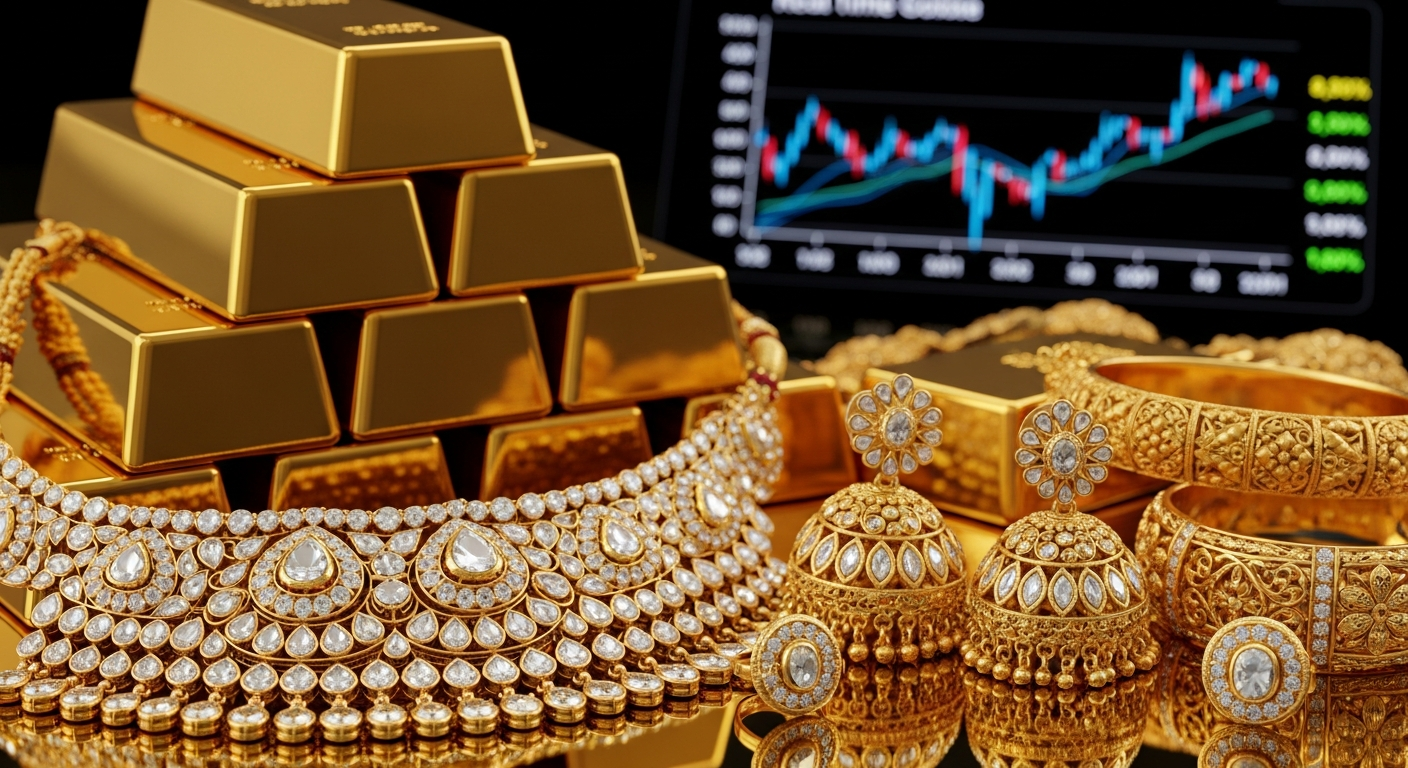
Gold has always held a special place in the hearts and minds of Indians, symbolizing wealth, prosperity, and security. Whether it's for traditional jewelry, auspicious occasions, or as a crucial investment, staying updated on gold prices today is essential for millions. This guide will provide a comprehensive look at gold price in India, differentiating between 22K and 24K rates, exploring the factors that influence them, and helping you make informed decisions.
Understanding Gold Prices Today in India
The gold price per gram in India is a dynamic figure, subject to constant change. It's not just a number; it reflects a complex interplay of global and domestic economic forces. For anyone looking to buy or sell, knowing the current gold rate today is the first step.
What Drives Gold Rate Fluctuations?
Several critical factors contribute to the daily shifts in gold prices:
- Global Economic Health: During times of economic uncertainty, investors often flock to gold as a safe haven, driving up its price.
- US Dollar Strength: Gold is typically priced in US dollars. A weaker dollar makes gold cheaper for buyers using other currencies, potentially increasing demand.
- Interest Rates: Higher interest rates on other investments (like bonds) can make gold less attractive, as gold itself doesn't offer interest or dividends.
- Geopolitical Events: Wars, political instability, or major global crises often lead to a surge in gold demand.
- Demand and Supply: Fundamental economics play a role; high demand coupled with limited supply will push prices up.
The Difference: 22K vs. 24K Gold
When checking the gold price today, you'll often see rates for both 22K and 24K gold. Understanding the distinction is crucial:
- 24K Gold: This is considered pure gold, meaning it is 99.9% fine gold. It's the purest form available but is very soft and thus not suitable for intricate jewelry that requires durability. It's primarily used for gold bars, coins, and investment purposes.
- 22K Gold: This refers to gold that is 91.67% pure. The remaining 8.33% is made up of other metals like copper, silver, or zinc, which are added to make the gold more durable and suitable for crafting jewelry. Most traditional Indian jewelry is made from 22K gold.
Naturally, the gold price per gram for 24K gold will be higher than for 22K gold due to its higher purity.
How Gold Prices are Determined
While global factors set a baseline, the specific gold price in India is also influenced by local dynamics.
International Market Trends
The international benchmark for gold is set by the London Bullion Market Association (LBMA). Indian markets largely track these global trends, with prices converting to Indian Rupees.
Domestic Factors and Currency Exchange
In India, import duties imposed by the government significantly impact the final price. Additionally, the exchange rate between the Indian Rupee (INR) and the US Dollar (USD) plays a direct role. A depreciating Rupee makes imported gold more expensive in local currency terms, pushing up the gold rate today in India. Festival demand, especially during Diwali, Akshaya Tritiya, and wedding seasons, can also create localized demand-driven price increases.
Checking Gold Prices: Where and How
To get the most accurate gold price today, it's important to rely on credible sources.
Reliable Sources for Daily Gold Rates
- Reputable Jeweler Websites: Many established jewelers update their rates daily.
- Financial News Portals: Major business news websites provide real-time gold price updates.
- Commodity Market Websites: These platforms offer detailed charts and historical data.
- Official Bullion Associations: Organizations like the Bombay Bullion Association often publish standard rates.
Always compare rates from a few sources to ensure you're getting a fair idea of the market.
Is Gold a Good Investment in India?
Gold has historically been a favored investment avenue in India, serving both as a cultural asset and a financial instrument.
Gold as a Safe-Haven Asset
One of gold's primary appeals is its role as a safe-haven asset. During periods of economic turmoil or high inflation, gold tends to hold its value or even appreciate, protecting wealth from erosion. This makes it a crucial component for portfolio diversification.
Types of Gold Investment
Beyond physical gold (jewelry, coins, bars), there are modern ways to invest in gold:
- Gold ETFs: Exchange Traded Funds that invest in gold bullion.
- Sovereign Gold Bonds (SGBs): Government securities denominated in grams of gold, offering interest and capital gains tax benefits.
- Digital Gold: Allows buying and selling gold online, often in small denominations, with the physical gold stored by the seller.
Making Informed Decisions
Monitoring gold prices today in India is more than just tracking numbers; it's about understanding market dynamics to make wise financial choices. Whether you're planning to buy jewelry, gift gold, or invest, staying informed about 22K and 24K gold price per gram will empower you to buy at opportune times. Remember to consider not just the raw price, but also making charges and local taxes when purchasing physical gold.